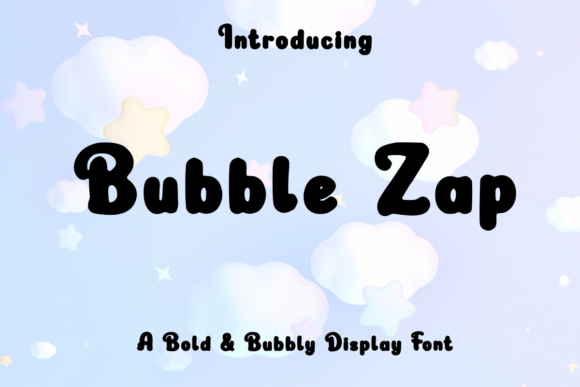
Bubble Zap: A Bubbly Cartoon-Inspired Display Font for Fun Branding
I opened a blank Figma file, stared at the white canvas, and realized I needed something that didn’t just sit there—it needed to pop. The client was launching a line of organic, colorful snacks for kids, and the brief was simple but tricky: playful without being childish, bold without being aggressive. That’s when I pulled Bubble Zap into the mix. It wasn’t just another typeface; it felt like an energy source. As a graphic designer who spends half my life tweaking kerning pairs and the other half trying to convince clients that "fun" can still look premium, finding a font that bridges that gap is rare. Bubble Zap is a bubbly, cartoon-inspired display font that bursts with energy and fun, making it an immediate standout in my workflow.
Why Bubble Zap Works as a Primary Display Font for Youthful Brands
When you first load Bubble Zap, the visual impact is undeniable. Its bold, rounded letters make it a perfect choice for children’s products, birthday party invitations, toys, games, and any brand aiming for high-energy engagement. Unlike standard sans-serifs that feel safe but sterile, or script fonts that can be hard to read at scale, this creative font strikes a balance between legibility and character. In my recent project for a local toy store rebrand, we used Bubble Zap for the main logo lockup. The weight of the letters held up beautifully on large-format signage, yet retained a friendly, approachable vibe on smaller packaging labels.
The key to using a display font effectively is understanding its role in the hierarchy. Bubble Zap is not designed for body text. Trying to set long paragraphs in this typeface would result in visual fatigue, both for the reader and the designer. Instead, it shines as a headline font or logo font. Its unique shapes demand attention, which is exactly what you want when you are trying to grab a consumer’s eye in a crowded marketplace. By restricting its use to short phrases, titles, and key messaging, we maintained a clean, professional aesthetic while letting the font do the heavy lifting of conveying personality.
Integrating Bubble Zap into Packaging Design and Product Labels
Packaging design is where typography meets reality, and few things test a font’s versatility like a curved product label. During the mockup phase for a skincare brand targeting teens, I experimented with wrapping Bubble Zap around cylindrical containers. The rounded nature of the glyphs meant that the text flowed naturally along the curve without looking distorted or awkward. This is a crucial practical advantage for designers working on physical goods.
Furthermore, the font’s inherent cheerfulness aligns perfectly with industries that rely on impulse buys and emotional connections. Whether it’s candy wrappers, craft kits, or educational apps, Bubble Zap communicates joy instantly. When paired with vibrant color palettes—think electric blues, sunny yellows, and hot pinks—the font amplifies the visual appeal of the design assets. For our toy store project, we used it on shelf talkers and price tags. The contrast between the playful font and the clean, minimalist background created a striking visual hierarchy that guided the customer’s eye directly to the product name. It proved that a commercial font doesn’t have to sacrifice readability for style.
Pairing Bubble Zap with Supporting Typefaces for Balanced Layouts
No great design exists in isolation, and neither does a great font. One of the most common questions I get from junior designers is how to pair a dominant display font like Bubble Zap with supporting text. The rule of thumb is contrast. Since Bubble Zap is loud, expressive, and highly stylized, your secondary typeface should be quiet, neutral, and functional. A clean sans serif font or a classic serif font works best here.
In our branding deck, we paired Bubble Zap with a simple, geometric sans serif for all descriptive copy, ingredient lists, and legal disclaimers. This combination ensured that while the brand identity screamed fun, the information remained accessible and trustworthy. If you were designing for a more sophisticated audience, you might even try pairing it with a modern typography style that features thin weights to create delicate balance against the bold bubbles. Avoid pairing it with other decorative fonts, such as a handwritten font or a script font, unless you are extremely confident in your typographic skills. Mixing too many personalities often leads to a cluttered, unprofessional look that confuses the viewer rather than engaging them.
Testing Bubble Zap Across Digital Platforms and Social Media Graphics
Digital design presents different challenges than print, particularly regarding screen resolution and mobile viewing. When adapting Bubble Zap for social media graphics, I found that it performs exceptionally well on Instagram posts and Facebook banners. The thick strokes ensure that the text remains legible even when viewed on small smartphone screens. However, because it is a display font, it needs breathing room. Cluttering a busy social media template with too much Bubble Zap text can overwhelm the user.
For web design, specifically for homepage hero sections or call-to-action buttons, the font adds a layer of personality that static images cannot achieve. We tested it on a landing page for a summer camp registration form, and the bounce rate dropped slightly compared to the previous version using a standard sans serif. While correlation isn’t causation, the psychological effect of seeing a fun, inviting typeface likely made the sign-up process feel less daunting for parents. Always remember to check the included styles and weights before implementing it on the web. Some display fonts lack lighter weights, which can limit their adaptability across different UI components. Bubble Zap offers enough variation to keep designs dynamic without requiring multiple font files.
Practical Tips for Using Bubble Zap in Client Projects and Commercial Work
If you are considering adding Bubble Zap to your toolkit for client work, start by defining the scope. Because it is a cartoon-inspired display font, it may not suit corporate law firms, medical practices, or luxury heritage brands. However, for startups in the lifestyle, entertainment, education, and retail sectors, it is a powerhouse. Before committing to a full brand system, create a mini mood board. Place the font next to your chosen color palette and imagery to see if the vibe matches the client’s goals.
Also, pay close attention to the licensing terms. Ensure you have the correct commercial font license for the intended use, whether it’s for digital ads, merchandise printing, or broadcast media. Many designers overlook this step until it’s too late. Finally, take advantage of any alternates or ligatures the font family might offer. These subtle details can elevate a design from "good" to "polished." In our final deliverables, we used specific letter combinations that had pre-designed connections, giving the logo a custom, hand-crafted feel that justified the investment in a premium font. By treating Bubble Zap as a strategic asset rather than just a pretty decoration, you can build brand identities that are not only visually appealing but also commercially effective.