Simple Wedding Typeface Review for Editorial Design
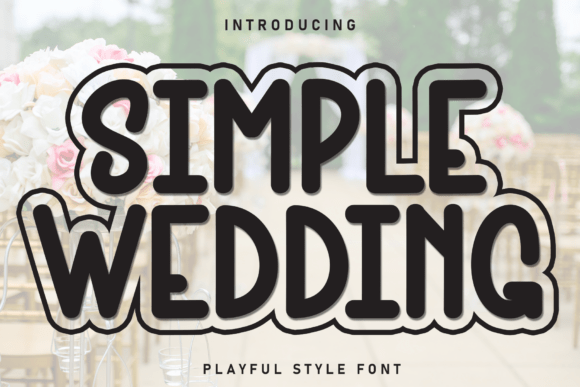
I remember the exact moment I realized my digital magazine’s header was fighting its own content. The layout was clean, the photography was stunning, but the typography felt stiff, almost cold. It lacked the warmth that our readers craved when they came to us for lifestyle inspiration and wedding planning advice. That was when I stopped scrolling through generic type libraries and started looking for something with genuine personality. I needed a Display font that could anchor our brand identity without shouting over the editorial voice. That search led me to Simple Wedding, a cute and bubbly display font with rounded edges and a joyful tone.
At first glance, it seemed like just another decorative option in the sea of modern Fonts. But as I began testing it in real-world publishing scenarios—redesigning blog headers, creating newsletter graphics, and structuring a downloadable wedding guide—I found that Simple Wedding offered something rare: approachable elegance. It brings a playful yet loving perspective to any design project, making it an ideal choice for creators who want their text to feel inviting rather than authoritative. This review explores how this specific typeface supports readability, editorial mood, and publication identity when used correctly.
Simple Wedding for Casual Wedding Decor and Invitation Titles
The primary strength of Simple Wedding lies in its ability to convey emotion through shape alone. With its rounded edges and bubbly character, it immediately signals informality and joy. When I applied this font to invitation titles for a client’s casual outdoor wedding suite, the difference was instant. Unlike traditional serif fonts that demand formality, or sharp sans serifs that can feel corporate, Simple Wedding feels like a warm hug. It is perfectly suited for casual wedding decor, where the goal is to make guests feel relaxed from the very first glance.
In editorial design, especially within the wedding niche, visual hierarchy is crucial. You want the couple’s names or the event title to pop, but you don’t want them to look cheap. Simple Wedding strikes a delicate balance. It is expressive enough to serve as a focal point but restrained enough not to distract from the details below it. For bridal-themed crafts, such as save-the-date cards or welcome signs, the font’s natural rhythm guides the eye smoothly across the page. It works exceptionally well for short bursts of text, allowing the designer to use size and spacing to create impact without cluttering the layout.
Enhancing Blog Headers and Newsletter Graphics
Beyond weddings, I tested Simple Wedding in broader lifestyle contexts, specifically for a personal blog redesign focused on creative hobbies and home decor. Blog headers are often the first thing a visitor sees, and they set the tone for the entire reading experience. Using a heavy, formal typeface can create a barrier between the reader and the content. By switching to Simple Wedding for my main H1 tags and featured post titles, the site felt more conversational and accessible.
This font excels in social media graphics and email newsletters, where attention spans are short. When designing a weekly roundup graphic, using Simple Wedding for the headline draws the eye instantly. Its bubbly nature adds a layer of friendliness that encourages clicks. However, as an experienced editor, I must note that while it is fantastic for headlines, it should not be overused. If every line on your homepage is in this font, the visual noise increases, and the "special" feeling diminishes. Use it strategically for key moments—like pull quotes, section dividers, or call-to-action buttons—to maintain reader attention and support a clear content structure.
Readability Considerations for Digital Layouts
One common question among designers is whether a display font like Simple Wedding is suitable for longer reading. The answer is generally no. While the rounded edges are pleasing, the font is designed for impact, not endurance. In mobile layouts, where screen space is limited, dense paragraphs set in a highly stylized display font can become difficult to scan. Readers may experience eye strain if forced to read long-form articles in a font that demands constant visual processing.
For body copy, it is best to pair Simple Wedding with a highly legible neutral typeface. A clean sans serif font works beautifully for captions, navigation menus, and paragraph text, providing a stable foundation that allows the display font to shine in headings. Similarly, pairing it with a classic serif font can add a touch of sophistication to ebook titles or chapter openers. This combination leverages the strengths of both typefaces: the emotional appeal of Simple Wedding and the functional clarity of a standard reading font.
Structuring Printable Guides and Workbooks
I also explored the use of Simple Wedding in digital products, such as coaching workbooks and printable planners. These assets require a balance of professionalism and approachability. Clients want to feel guided and supported, not lectured. When I used Simple Wedding for the cover and section headers of a wedding planning workbook, it helped establish a supportive, encouraging tone. The font’s joyful character aligns perfectly with the positive mindset required for planning such a significant life event.
However, consistency is key in product design. If you mix too many disparate styles, the document loses cohesion. Simple Wedding has a distinct personality that dominates a layout. Therefore, it is best used for titles, subtitles, and decorative accents rather than instructional text. For example, using it for the word "Schedule" or "Budget" on a worksheet makes those sections stand out, while keeping the actual instructions in a simple, readable font ensures the user can follow along easily. This strategic application enhances the user experience by making complex information feel manageable and friendly.
Commercial Licensing and File Formats
Before integrating Simple Wedding into any commercial project, it is essential to verify the licensing terms. As a premium font, understanding what constitutes "commercial use" is vital for bloggers, publishers, and independent creators. Ensure that your license covers the specific mediums you intend to use, whether that is print-on-demand products, digital downloads, or paid newsletters. Additionally, check the included file formats. Most professional packages include OTF, TTF, and sometimes web-ready WOFF files, which are necessary for embedding in websites or interactive PDFs.
Designers should also inspect the font for alternates, ligatures, and special characters. While Simple Wedding is known for its consistent bubbly style, some display fonts offer unique glyphs that can add extra flair to specific words or initials. Having access to these variations can elevate a simple logo design or a branded quote card from good to exceptional. Always test the font at various sizes before finalizing a layout to ensure that the rounded edges remain crisp and do not blur on high-resolution prints or retina displays.
Final Verdict on Editorial Appeal
Simple Wedding is more than just a pretty typeface; it is a tool for setting mood. It reminds us that typography is not just about conveying information, but about evoking feeling. For projects centered around love, creativity, and celebration, this font provides a reliable way to communicate warmth and joy. By respecting its limitations as a display font and using it to enhance—not replace—readable body copy, designers can create layouts that are both visually striking and functionally sound. It is a valuable addition to any library of modern typography, particularly for those looking to inject personality into their editorial designs.