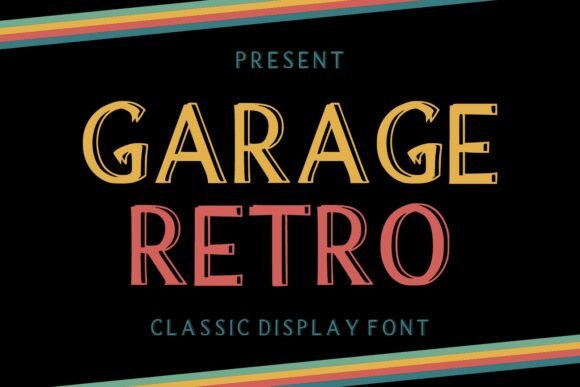
Garage Retro Typeface for Bold Sports-Themed Web Design
When you are building a high-energy landing page or a conversion-focused online store, selecting the right Display typeface can make or break your visual hierarchy. Garage Retro is an authentic retro classic display font, inspired by college typography that brings immediate authority and nostalgia to digital interfaces. As a web designer, I look for fonts that not only look good but also communicate brand tone instantly; this bold and dynamic font captures the energy and excitement of sports while maintaining the structural integrity needed for modern web layouts. It features a strong and commanding look that demands attention without sacrificing legibility, making it an ideal choice for headers, hero sections, and promotional banners where impact is paramount.
Why Garage Retro Elevates Hero Sections and Landing Pages
The primary challenge in web design is capturing user attention within the first few seconds of load time. Using Garage Retro for hero titles allows designers to establish a powerful brand presence immediately. The font’s thick strokes and distinct letterforms create a sense of movement and dynamism, which is particularly effective for brands in the fitness, automotive, gaming, or collegiate sectors. Unlike standard sans serif fonts that can feel generic, a premium font like this adds character and personality to your digital product. When paired with clean, minimalist backgrounds, the text becomes the focal point, guiding the user’s eye naturally toward call-to-action (CTA) buttons. This strategic use of visual hierarchy ensures that visitors understand the core message before they even scroll down the page.
Visual Impact in Digital Ad Creatives and Social Graphics
In the crowded space of social media and digital advertising, static images must compete with motion and noise. Incorporating Garage Retro into social media graphics provides a consistent visual anchor across your marketing campaigns. The font’s retro aesthetic evokes a sense of trust and tradition, which can subtly increase brand credibility. For example, when designing a carousel post for a coaching website or a product launch banner for an e-commerce store, using this display font for key headlines helps break up dense text and improves scanability. The bold weight ensures that the message remains readable even on smaller mobile screens, where fine details might otherwise get lost. By integrating these creative fonts into your content strategy, you create a cohesive brand identity that resonates with audiences who appreciate vintage-inspired modern design.
Optimizing Readability and User Experience with Retro Typography
While decorative fonts are visually striking, their application in web design requires careful consideration of readability. Garage Retro excels as a headline font rather than body copy due to its distinctive style. To maintain a professional and accessible user experience, it is crucial to pair this display font with a highly legible sans serif font for longer paragraphs. This combination balances aesthetic appeal with functional clarity. For instance, using a neutral geometric sans serif for body text allows the eyes to rest, while Garage Retro handles the heavy lifting of attracting attention at section breaks. This approach supports better scanning behavior, as users can quickly identify headings and navigate through content efficiently. Furthermore, ensuring sufficient contrast between the font color and the background—whether dark mode or light mode—is essential to preserve the font’s commanding presence without causing visual strain.
Strategic Font Pairing for Editorial and Blog Layouts
For bloggers and content creators looking to inject personality into their editorial design, finding the right companion font for Garage Retro is key. Since the font has strong slab-serif characteristics reminiscent of collegiate athletics, it pairs exceptionally well with clean, modern humanist sans serifs. This pairing creates a harmonious rhythm that feels both energetic and organized. In a blog header or a featured article layout, using the display font for the title and a simple sans serif for the excerpt creates a clear distinction between the hook and the substance. This structure not only enhances the aesthetic quality of the page but also reinforces the brand’s voice as authoritative yet approachable. Additionally, considering the multilingual support and available weights in the font family can help maintain consistency across different languages and screen sizes, ensuring that your brand looks polished regardless of the device used.
Enhancing Brand Identity for E-Commerce and Product Launches
A consistent online identity is vital for building trust with customers, especially in competitive markets like online retail. Utilizing Garage Retro in your e-commerce design can differentiate your brand from competitors who rely on overly corporate or sterile typography. The font’s nostalgic appeal works well for boutique stores selling vintage-inspired products, athletic gear, or lifestyle goods. When applied to sale banners, countdown timers, or special offer notifications, the font conveys urgency and excitement, potentially boosting conversion rates. The strong and commanding look of the letters makes promotional text stand out against product imagery, ensuring that discounts and new arrivals catch the shopper’s eye. Moreover, using this typeface for logo design elements or watermark overlays can add a layer of sophistication and uniqueness to your digital assets, reinforcing brand recognition every time a user interacts with your site.
Practical Implementation Tips for Web Developers
Integrating a custom display font like Garage Retro into a live website involves more than just uploading the file. Designers should prioritize performance by converting the font to web-friendly formats such as WOFF2 to ensure fast loading times. It is also important to test how the font renders across different browsers and operating systems, as slight variations in rendering can affect the overall look. When setting up CSS, define fallback fonts to maintain usability if the custom font fails to load. Additionally, be mindful of licensing agreements; commercial font licenses typically cover specific uses such as websites, client projects, and digital templates. Ensuring you have the correct license protects your business and respects the creator’s rights. By treating typography as a core component of your UI design process, you leverage tools like Garage Retro to create immersive, engaging, and high-converting web experiences that leave a lasting impression on your audience.