Gravis Display Font for Modern Web Branding
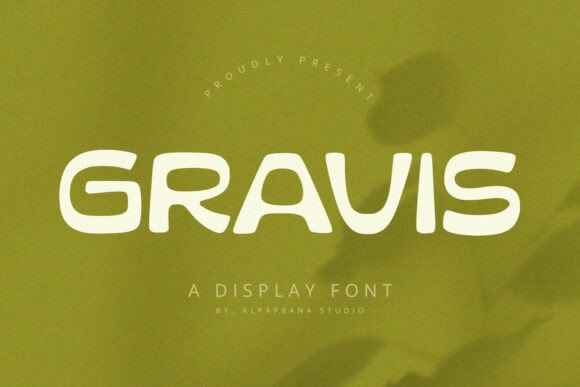
I was staring at a blank hero section on a new boutique e-commerce site, trying to find the right visual hook. The layout was clean, the photography was high-end, but the typography felt flat. It lacked that immediate "stop-scroll" energy required in today’s digital landscape. That’s when I pulled up Gravis, a display font with modern and playful feels, and dropped it into the headline slot. The difference was instant. The character didn’t just sit there; it commanded attention while maintaining a sophisticated edge that aligned perfectly with the brand’s aesthetic.
This wasn’t just about picking a pretty typeface. It was about solving a specific UX problem: how do you balance personality with professionalism on a landing page? Gravis offered a solution that felt both approachable and premium. As a web designer, I am always looking for fonts that can handle the heavy lifting of first impressions without sacrificing readability or load performance. In this case, Gravis proved to be more than just a decorative element; it became the backbone of the site’s visual identity.
Gravis for Logo Design and Digital Logotype Creation
One of the most critical decisions in building a brand identity is selecting a typeface for the logo itself. A logo needs to be legible at 16 pixels on a mobile favicon and scalable to billboard size. When testing Gravis for a client’s digital logotype, I found its geometric structure to be incredibly robust. The letters have a distinct, contemporary weight that holds up well against complex backgrounds.
Unlike many script fonts or overly ornate serif fonts that lose detail when scaled down, Gravis maintains its integrity. This makes it an excellent choice for branding where consistency across multiple touchpoints is key. Whether it’s used as the primary mark for a clothing line or as a subtle watermark on packaging design assets, the font delivers a cohesive look. For designers working on small business websites, having a versatile display font like Gravis means you can extend the logo treatment into headers and navigation elements seamlessly, creating a unified brand experience from the very first click.
Gravis for Clothing Branding and Merchandise Graphics
The versatility of Gravis extends far beyond screen-based design. During a project for a streetwear-inspired online store, we needed graphics that would translate equally well to t-shirts, shopping bags, and promotional posters. The font’s bold, playful nature resonated perfectly with the youthful, energetic vibe of the collection.
We tested Gravis on mockups for tote bags and product tags. The contrast between the thick strokes and the negative space allowed for creative cutouts and layered effects that looked stunning in print. Because the font has such a strong presence, it reduced the need for additional graphical elements. A simple tagline set in Gravis could stand alone on a poster or a hangtag, reducing production costs while increasing visual impact. This dual capability—working beautifully in digital ads and physical merchandise—is a huge advantage for entrepreneurs who want a streamlined design process.
Gravis for Magazine Editorial Layouts and Blog Headers
While Gravis is primarily a display font, its application in editorial contexts offers unique opportunities for visual storytelling. I recently redesigned a lifestyle blog and wanted to break away from the standard sans-serif header trend. Using Gravis for article titles and pull quotes added a layer of editorial sophistication that felt fresh yet familiar.
The font’s playful undertones prevented the layout from feeling too stiff or corporate. Instead, it invited the reader in, suggesting that the content inside was engaging and modern. When paired with a clean, neutral sans-serif font for body copy, Gravis created a striking hierarchy. The eye is naturally drawn to the headlines, encouraging longer dwell times and deeper engagement with the content. This is particularly effective for long-form articles or listicles where scannability is crucial.
Gravis for Poster Design and Campaign Visuals
In the realm of marketing, posters and campaign visuals need to communicate a message instantly. Gravis excels in these high-impact environments. I used it for a series of social media graphics promoting a limited-time sale. The font’s ability to carry weight meant that even with minimal text, the message was clear and compelling.
The modern feel of the typeface ensured that the campaigns looked current and relevant, avoiding the dated look that can plague designs using older display fonts. By leveraging Gravis for these short-form communications, we maintained a consistent brand voice across all channels, from email newsletters to Instagram stories. The font’s adaptability allows designers to experiment with sizing and spacing, creating dynamic compositions that capture attention in crowded feeds.
Gravis for Packaging Design and Shopping Bag Accents
Packaging is often the first physical interaction a customer has with a brand. Making that moment memorable is essential for building loyalty. Gravis provided the perfect tool for creating distinctive packaging designs. Its bold letterforms stood out beautifully on minimalist boxes and vibrant shopping bags.
We experimented with different colorways and textures, finding that the font’s clean lines worked well with both matte and glossy finishes. The playful aspect of the font added a touch of personality to the unboxing experience, making customers feel like they were receiving something special. This attention to detail in packaging design can significantly enhance perceived value, turning a simple purchase into a branded event. For digital creators selling physical products, having a typeface that bridges the gap between online marketing and offline packaging is invaluable.
Gravis for Lettering and Custom Artwork
Beyond standard text, Gravis offers great potential for custom lettering projects. I used individual characters to create bespoke illustrations for a portfolio website. The unique shapes of the letters allowed for creative manipulation, enabling me to build words out of graphical elements rather than just typing them out.
This approach added a handcrafted feel to the digital site, which helped humanize the brand. It demonstrated a level of care and creativity that resonated with visitors. Using a display font like Gravis for lettering projects allows designers to push boundaries and create unique visual assets that are difficult to replicate with generic stock imagery. This customization strengthens brand recognition and sets the website apart from competitors who rely on standard templates.
Gravis for Web Typography and Responsive Design Considerations
When integrating Gravis into a live website, technical considerations are just as important as aesthetic ones. As a display font, it is best suited for large sizes. I avoided using it for body text or small buttons, opting instead for a highly readable sans-serif font for paragraphs and UI elements. This pairing ensures that the site remains accessible and easy to navigate on all devices.
Testing Gravis on mobile screens revealed that its bold weight requires careful management of line height and letter spacing. Too tight, and the letters clash; too loose, and the impact is lost. By adjusting these parameters during the responsive design phase, I ensured that the font looked sharp and balanced whether viewed on a desktop monitor or a smartphone. Proper implementation of webfonts also involves checking file formats and weights to ensure fast loading times, which is critical for user experience and SEO performance.
Gravis for Call-to-Action Buttons and Interactive Elements
While Gravis is not ideal for small button text, it can be effectively used for prominent call-to-action (CTA) sections. On a course sales page, I used Gravis for the main offer headline above the purchase button. The font’s energy helped drive urgency and excitement, encouraging users to take action.
The visual hierarchy created by placing Gravis prominently on the page guided the user’s eye directly to the conversion point. This strategic use of typography can influence user behavior positively, leading to higher engagement rates. However, it is important to maintain sufficient contrast and padding around the text to ensure clarity. By reserving Gravis for high-visibility areas, we maximized its impact without compromising the overall usability of the interface.
Gravis for SaaS Landing Pages and Tech Startup Branding
Even in the tech sector, personality matters. Many SaaS companies struggle to appear approachable while maintaining a professional image. Gravis offered a middle ground, providing a modern, tech-forward look with a hint of playfulness that made the brand feel more human.
We used it for feature highlights and testimonial headers on a software launch page. The font’s clean geometry aligned well with the sleek, minimalist design of the product interface. It helped bridge the gap between the abstract nature of software and the tangible benefits it provides to users. For startups looking to establish a strong digital presence quickly, choosing a versatile display font like Gravis can accelerate brand development and create a memorable first impression.
Gravis for Creative Portfolio Showcases
For creative professionals, the website is the primary showcase of their skills. Using Gravis in a portfolio layout allowed a photographer to let their work speak for itself while still presenting their name and services with confidence. The font acted as a frame for the images, enhancing them without competing for attention.
This subtlety is key in portfolio design. You want your typography to support your visual narrative, not dominate it. Gravis achieved this balance effortlessly, adding a layer of polish and intentionality to the site. Clients browsing the portfolio immediately sensed a high level of design competence, simply through the thoughtful selection of typefaces. This demonstrates how the right font choice can elevate the perceived quality of a designer’s entire body of work.
Final Implementation Notes for Digital Creators
Before incorporating Gravis into any project, it is wise to review the included styles and licensing terms. Ensuring you have access to the necessary weights and alternates will give you the flexibility to create diverse layouts. Additionally, verifying commercial font licensing is crucial for client work and online stores to avoid legal issues. With proper planning and execution, Gravis can serve as a powerful asset in your design toolkit, helping you create impactful, modern, and playful digital experiences that resonate with audiences and drive results.