Pink Doodle Typeface Review: A Casual Display Font for Playful Editorial Design
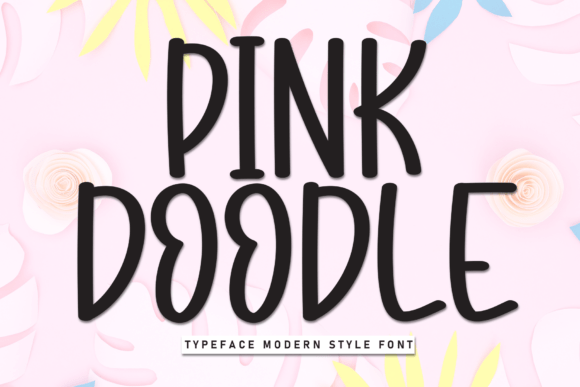
I remember the specific moment I realized my digital magazine’s header needed a complete personality overhaul. For months, I had been relying on rigid, geometric sans serifs that felt efficient but emotionally sterile. The content was vibrant—lifestyle tips, summer recipes, and creative workshops—but the typography told a different story. It wasn’t until I imported Pink Doodle into my layout software that the entire publication shifted. This neat and casual display font radiates fun and relaxation in a way that immediately softened the visual hierarchy without sacrificing clarity. As an editorial designer who values both aesthetic charm and structural integrity, I found this typeface to be a refreshing solution for creators looking to inject warmth into their digital and print assets.
Pink Doodle for Summer Posters and Event Flyers
When designing promotional materials, the first impression is everything, and Pink Doodle excels at capturing attention with its clean lines and easygoing vibe. In my recent project for a local community art fair, I needed a headline that felt inviting rather than corporate. Standard bold fonts often dominate space aggressively, but Pink Doodle commands attention through its playful character and relaxed rhythm. It is perfect for summer posters, event flyers, and playful branding where the goal is to communicate joy and accessibility.
The font’s structure allows it to stand out on social media graphics and printed handbills alike. Because it is classified as a display font, it shines when used at larger sizes where individual letterforms can be appreciated. I tested it against various background colors, from soft pastels to vibrant citrus tones, and the contrast remained legible and striking. For independent content brands and event organizers, using Pink Doodle helps establish an immediate tone of approachability. It signals to the audience that the event or product is not just informative, but enjoyable. By choosing this creative font over more traditional options, designers can differentiate their marketing materials in a crowded digital landscape.
Pink Doodle in Lifestyle Blog Headers and Digital Magazines
For bloggers and digital publishers, maintaining a consistent brand identity across platforms is crucial, and Pink Doodle offers a distinctive voice that enhances publication identity. During a redesign of a lifestyle blog focused on mindful living and creative hobbies, I replaced the generic header font with Pink Doodle. The change was subtle yet profound; the site began to feel more like a curated journal than a standard information portal. The font’s cheerful demeanor aligns perfectly with content that aims to inspire, relax, or entertain readers.
In digital magazine layouts, readability and mood must coexist. While body copy requires a highly functional typeface, headers and pull quotes benefit from expressive character. Pink Doodle serves as an excellent anchor for these elements. When paired with a clean sans serif font for navigation menus or a readable serif font for long-form articles, it creates a balanced typographic hierarchy. This combination ensures that while the design feels modern and stylish, the reading experience remains comfortable. Readers are more likely to engage with content that feels visually cohesive and emotionally resonant, making Pink Doodle a strategic choice for increasing time-on-page and reader retention.
Pink Doodle for Printable Planners and Coaching Workbooks
The rise of digital products has created a high demand for fonts that feel personal yet professional, and Pink Doodle fits seamlessly into the world of printable guides and educational materials. I recently collaborated on a coaching workbook designed to help entrepreneurs organize their weekly goals. The client wanted a font that felt encouraging and friendly, avoiding the coldness of standard Arial or Times New Roman. Pink Doodle provided exactly that "neat and casual" aesthetic. Its clean lines ensure that instructions remain clear, while its handwritten-inspired nuances add a human touch that fosters a connection between the coach and the student.
This font is particularly effective for chapter openers, section dividers, and motivational pull quotes within PDF exports. However, it is important to consider readability for screen reading and mobile layouts. While Pink Doodle is legible at medium sizes, it is best reserved for titles, subtitles, and decorative accents rather than dense paragraphs. Using it for body copy can lead to eye strain during extended reading sessions. By strategically placing Pink Doodle in key areas, designers can guide the reader’s eye and emphasize important concepts without overwhelming the text. This thoughtful application supports content structure and helps users navigate complex information with ease.
Pink Doodle for Wedding Invitations and Elegant Branding
Although often associated with casual designs, Pink Doodle possesses a versatility that extends to softer, more elegant applications such as wedding invitations and boutique branding. The font’s refined curves avoid being overly childish, allowing it to convey sophistication with a hint of whimsy. In a recent project for a destination wedding guide, we used Pink Doodle for the main invitation headlines. Paired with ample white space and delicate floral illustrations, the typography felt airy and romantic. It proved that a display font does not have to be strictly formal to be appropriate for significant life events.
For packaging design and brand identity, consistency is key. Pink Doodle works well across various media, from business cards to website banners. Its unique character helps brands stand out in niches like beauty, wellness, and artisanal goods. When selecting commercial font licenses, it is essential to verify the allowed uses, ensuring the font covers your specific needs for ebooks, templates, and paid newsletters. Understanding the licensing terms protects your work and ensures ethical use of design assets. By integrating Pink Doodle into your brand toolkit, you create a memorable visual language that resonates with audiences seeking authenticity and charm.
Pink Doodle Pairing Strategies for Modern Typography
Successful editorial design relies heavily on font pairing, and Pink Doodle benefits greatly from being combined with neutral, highly readable typefaces. Since Pink Doodle is a display font with strong personality, it should typically serve as the hero element. For body text, I recommend pairing it with a simple sans serif font for captions, navigation, and UI elements, or a classic serif font for article bodies. This contrast prevents visual fatigue and ensures that the message is communicated clearly. For example, using a lightweight sans serif for subheadings can bridge the gap between the playful header and the serious content below.
Designers should also check included styles, alternates, and ligatures before finalizing a layout. Some display fonts offer multiple weights or special characters that can enhance specific words or phrases. Exploring these features allows for greater creative control and customization. Whether you are creating a recipe ebook, a course PDF, or a newsletter graphic, taking the time to test different combinations will yield the most polished result. Ultimately, the right font choice supports the content’s intent, making Pink Doodle a valuable addition to any designer’s library for projects requiring a blend of fun, relaxation, and professional polish.