Tebinork Typeface: Elevating Corporate Messaging with Relaxed Brush-Style Aesthetics
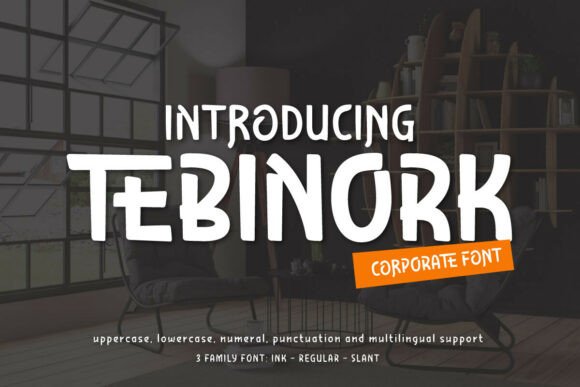
I was staring at a blank Figma canvas, trying to fix the visual hierarchy on a new coaching website project. The layout was clean, but it felt sterile—like a corporate template that hadn’t been personalized yet. I needed something that could bridge the gap between professional authority and creative warmth without looking like every other trendy brush script flooding the market. That’s when I pulled Tebinork into the mix. It wasn’t just another decorative element; it immediately shifted the tone of the entire page. As a display font designed to elevate corporate messaging with a relaxed brush-style aesthetic, combining professionalism with creativity, Tebinork offered exactly the nuanced personality my client’s brand was missing.
Tebinork for Modern Brand Identity and Digital Presence
When you are building a digital presence, first impressions are formed in milliseconds, and typography plays a massive role in that initial assessment. Tebinork is not merely a font; it is a strategic design asset that adapts to a wide variety of modern branding needs. In my recent project, I used Tebinork to redefine the header section of a boutique online store selling artisanal goods. The goal was to move away from rigid, traditional serif headers that can feel outdated, toward something that feels hand-crafted yet highly legible. By integrating this typeface, the site instantly gained a sense of approachability. The "relaxed" aspect of its design prevents it from feeling aggressive or overly formal, while the structured brush strokes maintain enough discipline to keep the brand looking established and trustworthy. This balance is crucial for businesses that want to appear innovative without sacrificing reliability.
Tebinork Regular Style for Versatile Web Headers
One of the most surprising aspects of testing Tebinork was how well the Regular style performed as a primary header font. Often, brush-style fonts can be too erratic for large-scale web use, causing readability issues on smaller screens. However, Tebinork’s Regular variant strikes a perfect chord. I applied it to the main H1 tags across several landing pages, and it held up beautifully against both light and dark backgrounds. The stroke width is consistent enough to guide the eye smoothly across the headline, encouraging users to scan the text rather than getting stuck on irregular letterforms. For web designers, this means less tweaking of line-heights and letter-spacing to achieve a polished look. When paired with a simple sans-serif body copy, the Regular style provides a strong anchor for the page, creating a clear visual hierarchy that directs user attention exactly where you want it to go.
Tebinork Ink Style for High-Impact Hero Sections
For hero sections that require immediate visual impact, the Ink style of Tebinork is unmatched. During a campaign landing page redesign, I experimented with placing the Ink variation over a full-width image banner. The thicker, more saturated strokes of the Ink style created a bold contrast against the background imagery, ensuring the headline popped without needing heavy drop shadows or opaque overlays. This style feels energetic and dynamic, making it ideal for call-to-action areas or promotional banners where you need to grab attention quickly. Because it is classified as a Display font, it excels in short phrases rather than long paragraphs. Using Tebinork Ink for the main value proposition statement allowed the message to stand out as a distinct visual event, increasing engagement by making the core offer impossible to miss.
Tebinork Slant Style for Dynamic Call-to-Action Elements
The Slant style introduced a layer of motion and urgency that was perfect for interactive elements. I found myself drawn to using Tebinork Slant for button labels and secondary headings that needed a touch of flair. The slight italicization gives the text a forward-moving momentum, which subconsciously encourages clicks. In a course sales page layout, I used the Slant version for testimonial quotes and key feature highlights. It added a human, handwritten touch that made the content feel more personal and relatable. This versatility allows designers to create a cohesive yet varied typographic system. Instead of relying on color changes alone to differentiate sections, switching between Regular, Ink, and Slant styles within the same family maintains brand consistency while adding visual interest. It proves that a single font family can carry multiple roles in a complex web layout.
Tebinork Font Pairing Strategies for Readable Layouts
A common mistake designers make with display fonts is trying to let them do all the heavy lifting. The key to successful integration is thoughtful pairing. For Tebinork, I recommend sticking to clean, neutral sans-serif fonts for body text. In my projects, I’ve paired it with geometric sans-serifs like Montserrat or Open Sans to let the brush aesthetics shine without competing for attention. This combination ensures that while the headlines capture the imagination, the body copy remains highly readable for SEO and user experience purposes. On mobile devices, where screen real estate is limited, this contrast becomes even more critical. A busy display font combined with a complex body font can create visual clutter that drives users away. By keeping the supporting typography minimal, Tebinork serves as the star, enhancing the overall brand identity without compromising usability.
Tebinork for Responsive Design and Mobile Optimization
In today’s multi-device world, your typography must perform flawlessly across all viewports. I tested Tebinork extensively on various mobile resolutions, and its scalable vector nature ensured crisp rendering at any size. One specific challenge with brush fonts is maintaining clarity when scaled down for small navigation menus or footer links. While Tebinork is best suited for larger display sizes, I found that the Regular style works surprisingly well for medium-sized subheadings on mobile. However, for very small text, it is always safer to revert to the standard sans-serif body font. Understanding these boundaries helps in creating responsive designs that load fast and look sharp. Properly implementing Tebinork via webfont formats ensures that the file size remains optimized, contributing to better Core Web Vitals scores—a factor that directly impacts search engine rankings and user retention.
Tebinork Commercial Licensing for Professional Projects
For agencies and freelance designers, understanding the commercial license is as important as the visual appeal. Tebinork is designed with professional use in mind, offering the flexibility required for client work, online stores, and marketing campaigns. Before deploying the font on a live site, it is essential to verify the specific terms regarding web embedding and print materials. The inclusion of multiple weights and styles in one package simplifies the asset management process, reducing the need to source additional fonts from different providers. This efficiency translates to faster project turnarounds and more consistent brand delivery. Whether you are designing a digital brand kit, a series of social media graphics, or a comprehensive website overhaul, having a versatile, high-quality font like Tebinork in your toolkit adds significant value to your final deliverables.
Tebinork Integration into Creative Portfolio Sites
Creative professionals often struggle to find a typeface that reflects their unique style without overshadowing their work. Tebinork serves as an excellent companion for portfolio sites because it suggests creativity and skill through its form. I used it to title case studies and project descriptions on a graphic designer’s portfolio. The relaxed brush aesthetic signaled that the creator was artistic and detail-oriented, setting the right expectation for the viewer. It avoided the coldness of standard corporate fonts while steering clear of the illegibility of overly stylized scripts. This subtle reinforcement of brand personality helps convert visitors into clients by creating an emotional connection before they even read the detailed project descriptions. It is a testament to how the right choice of Display Fonts can elevate the perceived quality of a digital product.