Fox Thiccy: A Playful Display Font for Modern Editorial Design
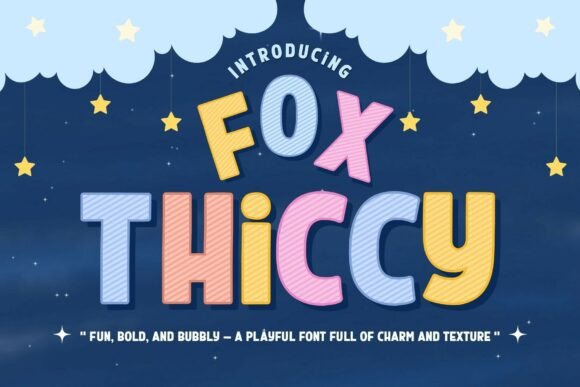
I remember the specific moment I realized my digital magazine’s header lacked personality. It was clean, certainly, but it felt sterile against the vibrant lifestyle content we were publishing. I needed a typeface that could command attention without shouting, something with enough visual weight to anchor a layout but enough playfulness to invite the reader in. That is when I started testing Fox Thiccy, a display font family designed to brighten up creative projects through its distinctively bold and cheerful character.
In editorial design, the choice of a primary typeface sets the emotional tone before a single word is read. Fox Thiccy arrived on my screen not just as a collection of glyphs, but as a mood setter. With four playful styles—Regular, Outline, Strokes, and Shadow—this font offers endless combinations that can transform a standard blog post into a curated editorial experience. As someone who values both aesthetic appeal and functional readability, I found myself drawn to how this font balances expressive design with structural integrity.
Fox Thiccy for Lifestyle Blog Headers and Cover Text
When redesigning a lifestyle blog or crafting a newsletter graphic, the headline is the first point of engagement. Fox Thiccy excels in this high-visibility role because its thick, confident strokes create an immediate visual hierarchy. The Regular style provides a solid foundation for main titles, offering a modern typography feel that stands out against white space or colorful background images. Unlike traditional serif fonts that might feel too formal for a casual cooking blog, or script fonts that can become illegible at small sizes, Fox Thiccy maintains clarity while injecting fun.
I tested this font extensively on mobile layouts, where screen real estate is limited. The bold nature of the letters ensures they remain legible even when scaled down slightly, preventing the "muddy" effect that often plagues thin display fonts on smaller devices. For a digital magazine layout, using Fox Thiccy for section headers helps guide the reader’s eye naturally through the content. It supports publication identity by creating a consistent, recognizable voice across different articles. When paired with a clean sans serif font for body copy, the contrast creates a dynamic rhythm that keeps readers engaged longer, reducing bounce rates on long-form content.
Fox Thiccy in Printable Planners and Coaching Workbooks
The versatility of Fox Thiccy extends beyond digital screens into tangible products like printable planners, coaching workbooks, and course PDFs. In these contexts, the font serves as a tool for organization and motivation. I utilized the Outline and Strokes variants to create decorative accents within worksheet layouts. These styles allow designers to break up dense text blocks without resorting to heavy graphics, keeping the file size light and the design airy.
For a wedding guide or a creative portfolio, the Shadow style adds depth and dimension, mimicking the look of physical signage or sticker art. This is particularly effective for chapter openers or pull quotes where you want to emphasize a key takeaway. However, it is crucial to consider readability considerations for screen reading versus print. While the decorative styles are stunning for titles and subtitles, they should be used sparingly. For instructional steps or detailed explanations within a workbook, sticking to the Regular style or pairing with a highly readable serif font ensures that the information remains accessible. The font’s playful nature makes it ideal for engaging audiences who might find standard corporate templates intimidating, fostering a sense of approachability and trust.
Fox Thiccy for Social Media Graphics and Brand Identity
In the realm of social media graphics, visual impact is paramount. Fox Thiccy’s unique character set allows for creative experimentation in logo design and brand identity projects. The combination of four distinct styles means you can maintain brand consistency while varying the visual interest. For instance, using the Regular style for the brand name and the Outline style for taglines creates a sophisticated yet fun layering effect.
I also explored using this font for packaging design elements, such as labels for handmade goods or stickers for product inserts. The bold lines reproduce well in various mediums, from digital exports to offset printing. When building a brand identity around creativity and joy, Fox Thiccy acts as a strong visual anchor. It signals to the audience that the content is modern, approachable, and thoughtfully designed. By integrating this display font into your design assets, you create a cohesive look that resonates with independent content brands and creators looking to stand out in a crowded marketplace.
Practical Pairings and Editorial Mood Considerations
Selecting the right companion font is essential for maximizing the potential of Fox Thiccy. Because it is a display font, it is best suited for titles, subtitles, pull quotes, and section headings rather than extended body copy. To ensure optimal readability, I recommend pairing it with a neutral sans serif font for captions, navigation menus, and UI elements. Alternatively, for a more classic editorial feel, a humanist serif font can provide a warm contrast that grounds the playfulness of the display text.
Before incorporating Fox Thiccy into commercial projects, it is wise to check included styles, alternates, ligatures, weights, and multilingual support. While the font shines in English-language publications, verifying character set coverage ensures compatibility if you plan to localize your content. Additionally, review the commercial font licensing terms carefully, especially if you are using the typeface in ebooks, templates, paid newsletters, or client publications. Understanding the usage rights protects your business and ensures ethical use of design assets. Ultimately, Fox Thiccy is more than just a font; it is a strategic tool for enhancing editorial design, supporting visual hierarchy, and elevating the overall mood of your content.