Press Type: A Bold Display Font for Industrial Editorial Design
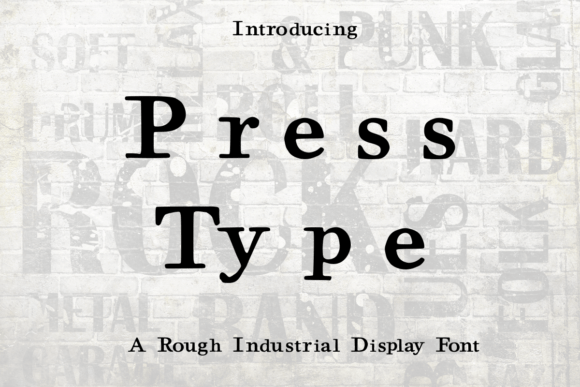
I remember the exact moment I realized my lifestyle blog’s header was fighting against its own content. The site felt clean, airy, and modern, but the typography lacked the punch needed to stop a scroller in their tracks. I had been using standard sans-serifs for everything, which worked fine for body text but left the headlines feeling weightless. That Tuesday afternoon, while designing a new editorial feature page for a digital magazine layout, I decided to take a risk. I wanted something with grit, something that felt tactile and real, like ink pressed into heavy paper. That search led me to Press Type, a bold display font with a distressed letterpress texture that brings a strong, industrial feel to your designs.
This wasn’t just about picking a "cool" font; it was about establishing a visual hierarchy that demanded attention without sacrificing readability. As an editorial designer, I know that every typeface carries a mood. Some fonts whisper; others shout. Press Type doesn’t just speak—it announces. With its raw and rugged appearance, it s perfect for urban packaging, vinyl decals, and any project that needs to convey strength and authenticity. In this article, I’ll walk you through how integrating this specific Display style into a real-world publishing workflow can transform your brand identity from generic to unforgettable.
Why Press Type Elevates Urban Packaging and Brand Identity
When we talk about Fonts in the context of branding, we are rarely talking about body copy. We are talking about the first impression. The first glance. The logo. The sticker on the shipping box. The banner ad. Press Type excels in these high-impact zones because it mimics the imperfections of physical printing. In a digital world saturated with pixel-perfect vectors, a font that simulates the slight bleed of ink and the uneven pressure of a press wheel feels human. It feels crafted.
I applied Press Type to a mock-up for a coffee subscription service’s monthly newsletter graphic. The goal was to evoke the smell of roasted beans and the sound of a grinder—sensory experiences that digital design struggles to capture. By using this distressed texture, the design immediately communicated quality and heritage. It suggested that the product inside wasn’t mass-produced by machines alone, but handled with care. This is the power of a premium display font: it does the heavy lifting of storytelling before the reader even processes the words. For creators selling printables, planners, or physical goods, choosing a typeface with this level of character can significantly increase perceived value.
The Role of Texture in Modern Typography
Not all bold fonts are created equal. A clean, geometric sans-serif might look modern, but it often lacks soul. Press Type offers a middle ground between the coldness of minimalism and the chaos of graffiti art. Its texture is controlled enough to remain legible at various sizes but rough enough to add visual interest. When testing this font for a recipe ebook cover, I found that the distressed edges softened the starkness of the white background, making the title feel warm and inviting despite its industrial roots. This duality is rare in typefaces today. Most fonts force you to choose between clarity and character; Press Type allows you to have both, provided you use it strategically.
For bloggers and publishers, this means your headers will stand out in a crowded RSS feed or social media scroll. The eye is naturally drawn to irregular shapes and textures. By leveraging the unique aesthetic of Press Type, you create a visual anchor that guides the reader’s eye down the page. It breaks the monotony of uniform block text and introduces a rhythm that keeps the reader engaged. Whether you are designing a coaching workbook or a wedding guide, adding a touch of this rugged elegance can elevate the entire production value of your work.
Press Type for Digital Magazine Layouts and Newsletter Headers
One of the most common questions I get as a designer is: "Can I use a display font for more than just titles?" The answer is yes, but with caveats. Press Type is primarily a Display font, meaning it is designed to be read at large sizes. However, its structure is robust enough to serve as section headings, pull quotes, and chapter openers in long-form content. I recently redesigned the interior layout of a digital magazine feature, and replacing the standard H2 tags with Press Type gave the article a magazine-cover feel right within the browser window.
The key here is contrast. Because Press Type has such a strong visual personality, it needs a quiet partner. I paired it with a classic serif font for the body copy. The serif provided the necessary comfort for extended reading, while the bold, distressed Press Type headers acted as signposts, breaking up the text and highlighting key takeaways. This combination creates a sophisticated editorial tone that appeals to serious readers who appreciate good design. It signals that the content inside is worth their time and attention.
- Newsletter Graphics: Use Press Type for the main subject line preview or the header image. Its industrial vibe works well for tech, business, and creative industry newsletters.
- Blog Post Titles: If your blog covers topics like travel, fitness, or DIY, Press Type adds an adventurous spirit to your headlines.
- Social Media Quotes: Turn powerful quotes from your articles into shareable graphics using Press Type. The texture ensures the image stands out in a user’s feed.
Readability Considerations for Screen and Print
While Press Type is striking, it is crucial to consider readability across different mediums. On small mobile screens, the distressed details might become muddy if the font size is too small. I recommend keeping Press Type above 24px for web use to ensure the texture remains distinct and doesn’t turn into visual noise. For print materials, such as flyers or posters, the font shines. The ink bleed effect translates beautifully to paper, giving your designs a tangible quality that digital-only competitors lack.
When exporting PDFs for ebooks or printable guides, always check the rendering settings. Some older PDF viewers might not accurately reproduce the subtle distressing of the font. Test your layouts on multiple devices to ensure that the "raw" look remains intentional and not accidental. Proper kerning and leading are also essential. Because the letters have varying edge weights, tight spacing can make the text look cluttered. Allow the font room to breathe; let the negative space enhance the rugged aesthetic rather than compete with it.
Press Type for Wedding Invitations and Elegant Branding
You might wonder how a font described as having an "industrial feel" fits into softer niches like weddings or boutique branding. The answer lies in the concept of "modern rustic." There is a growing trend in editorial design that blends organic elements with structured, bold typography. Press Type can provide that structural backbone. Imagine a wedding invitation suite where the names are set in a delicate script, but the date and venue details are stamped in Press Type. The contrast between the soft and the hard creates a dynamic tension that is visually arresting.
This approach works equally well for elegant branding. A skincare company might use Press Type on its packaging to suggest natural ingredients processed with precision. The distressed texture implies authenticity and earthiness, while the bold weight conveys confidence. By pairing this creative font with minimalist line art and ample white space, you can create a brand identity that feels both grounded and luxurious. It moves away from the clichés of overly ornate scripts and embraces a contemporary aesthetic that resonates with modern consumers.
Practical Tips for Using Press Type in Your Projects
If you are ready to incorporate Press Type into your next project, start by defining the mood. Is it gritty? Sophisticated? Vintage? The versatility of this font allows it to adapt to various tones depending on how you style it. Here are a few practical tips to get the best results:
- Check Included Styles: Ensure the font file includes all the weights and alternates you need. Sometimes, a lighter weight of a distressed font can offer better readability for subtitles.
- Test Multilingual Support: If your audience is global, verify that Press Type supports the characters required for your languages. Not all display fonts include extensive language packs.
- Review Licensing: Before using Press Type in commercial products like templates or paid newsletters, double-check the commercial font licensing terms. Some fonts require separate licenses for print and digital use.
- Experiment with Color: Don’t limit yourself to black. Try deep navy, forest green, or burnt orange to complement the industrial texture and add warmth to the design.
In conclusion, finding the right typeface is one of the most impactful decisions in editorial design. Press Type offers a unique blend of strength and texture that can elevate your blog, ebook, or brand identity from ordinary to exceptional. By understanding its industrial roots and applying it thoughtfully, you can create designs that not only look good but also tell a compelling story. Whether you are designing for the web or the printed page, this bold display font is a valuable asset in any designer’s toolkit.